
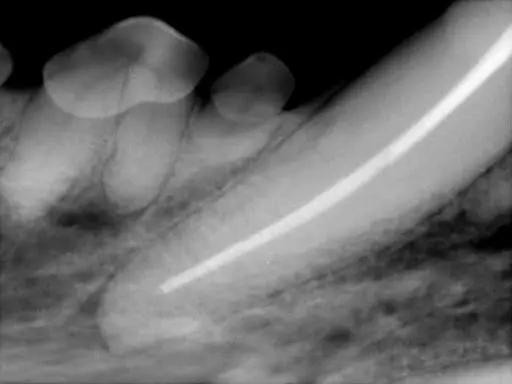
Veterinary root canal therapy is a dental procedure used to treat damaged or infected teeth while allowing the tooth to remain in the mouth and preserving its function. Root canal therapy involves removing the infected pulp, disinfecting the pulp cavity, followed by placement of a filling material and restoration to eliminate and prevent further bacterial invasion. The most common teeth treated with root canal therapy in dogs are the canine and carnassial teeth. However, any tooth can potentially be a candidate for root canal therapy. In cats, canine (fang) teeth can be treated with root canal therapy.
Why Would a Dog or Cat Need Veterinary Root Canal Therapy?
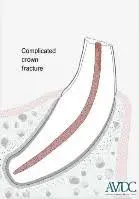
- Fractured Teeth: Dogs can break their teeth by chewing on hard objects like bones, rawhides, antlers, and many other items. Cats can fracture a canine tooth secondary to a fall or other traumatic event.
- Pulpitis: This is identified by a discolored tooth, secondary to a concussive trauma. Discolored teeth are considered non-vital or dead. Non-vital teeth are commonly purple, pink, or grey in color.
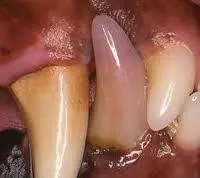
- Pain & Discomfort: Decreased oral play and changes in their ability to pick up food and toys can be a sign of an uncomfortable tooth.
Root Canal vs. Extraction
Veterinary dentists often recommend root canal therapy over extraction because:
- It is less invasive and allows the tooth to remain in the mouth. Return to function is quick, as there is no surgical wound as with an extracted tooth.
- Recovery is quicker, with minimal post-operative pain. Local nerve blocks are administered prior to root canal therapy to minimize any discomfort.
- It preserves the function of important teeth used for picking up objects, oral play, and chewing.
- It preserves the structure of the face by preventing bone loss. The canine teeth encompass a large portion of the jaw structure and serve an important buttressing function within the maxillofacial structure.
Veterinary root canal therapy has a high success rate, particularly in canine teeth. It is an excellent option for preserving tooth function for play and social interaction.
Think your pet may need a root canal? Contact us to schedule a consultation today.
Images used under creative commons license – commercial use (07/11/2025) Photo by Sam Manickaraj on Unsplash